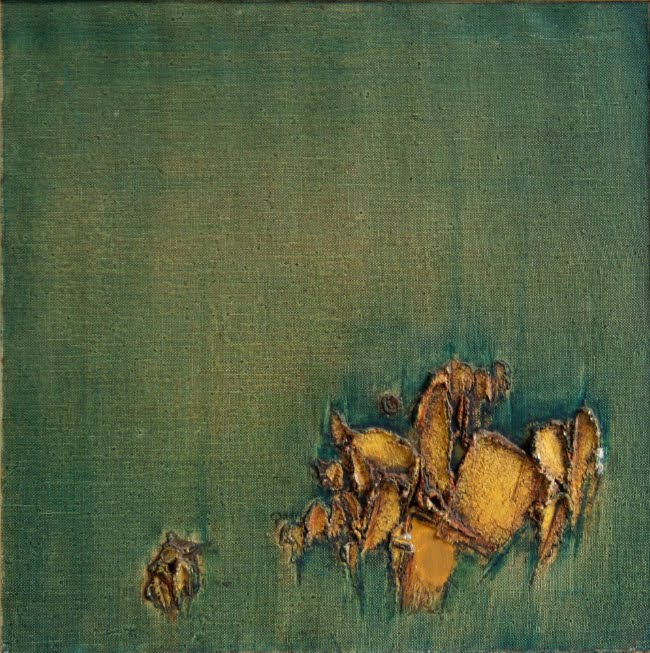
Most people are familiar with the Bugatti family, but only for their luxury car designs, which began with Ettore Bugatti (born 1881).

The Bugatti car company is still around, producing not-so-shabby rides.

But it's Ettore's father, Carlo Bugatti (1856-1940) that I care about here. He designed some of the wildest furniture I've ever seen.


His father Giovanni was a prominent Milanese interior designer, so I imagine Carlo grew up surrounded by exotic objects (hence the unique influence from asian and islamic art)

But what's really fascinating is how perfectly some of his work encompasses both the flowing organic forms and intricacy of Art Nouveau, and the radial forms and simple geometry of Art Deco. It's all there.

Most designers from this period fall into one camp or the other- their work is either Art Nouveau or it's Deco. Carlo marched to his own beat.


And anyways, I hate categorizing people's work, and you especially can't categorize Carlo. His stuff is out there. The interior I show below was for a design pavilion, and was intended to raise eyebrows, but still...


The Bugatti car company is still around, producing not-so-shabby rides.

But it's Ettore's father, Carlo Bugatti (1856-1940) that I care about here. He designed some of the wildest furniture I've ever seen.


His father Giovanni was a prominent Milanese interior designer, so I imagine Carlo grew up surrounded by exotic objects (hence the unique influence from asian and islamic art)

But what's really fascinating is how perfectly some of his work encompasses both the flowing organic forms and intricacy of Art Nouveau, and the radial forms and simple geometry of Art Deco. It's all there.

Most designers from this period fall into one camp or the other- their work is either Art Nouveau or it's Deco. Carlo marched to his own beat.


Carlo's other son Rembrandt (brother of Ettore the car designer) was a sculptor. Here's a few examples of his work:

Rembrandt committed suicide in 1916, at age 31. Carlo, who had been very active up to this point, pretty much stopped working after this. I mean, he stopped building furniture. He kept busy on other things I'm sure (fish gotta swim, designers with this kind of talent gotta design). I read that he moved in with Ettore's family and spent his time painting, but I've never seen any of his paintings. I'll keep an eye out for them... I'm sure they are amazing.

Rembrandt committed suicide in 1916, at age 31. Carlo, who had been very active up to this point, pretty much stopped working after this. I mean, he stopped building furniture. He kept busy on other things I'm sure (fish gotta swim, designers with this kind of talent gotta design). I read that he moved in with Ettore's family and spent his time painting, but I've never seen any of his paintings. I'll keep an eye out for them... I'm sure they are amazing.